La historia de The Ford
Desde su construcción en 1920 hasta su renovación en 2017 y más allá, conoce más de un siglo de historia de Ford.
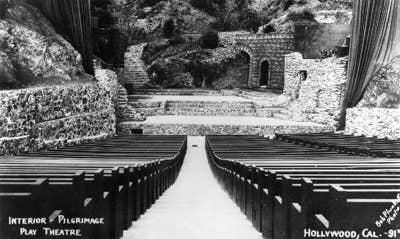
The Ford was built in 1920 as the site of The Pilgrimage Play.
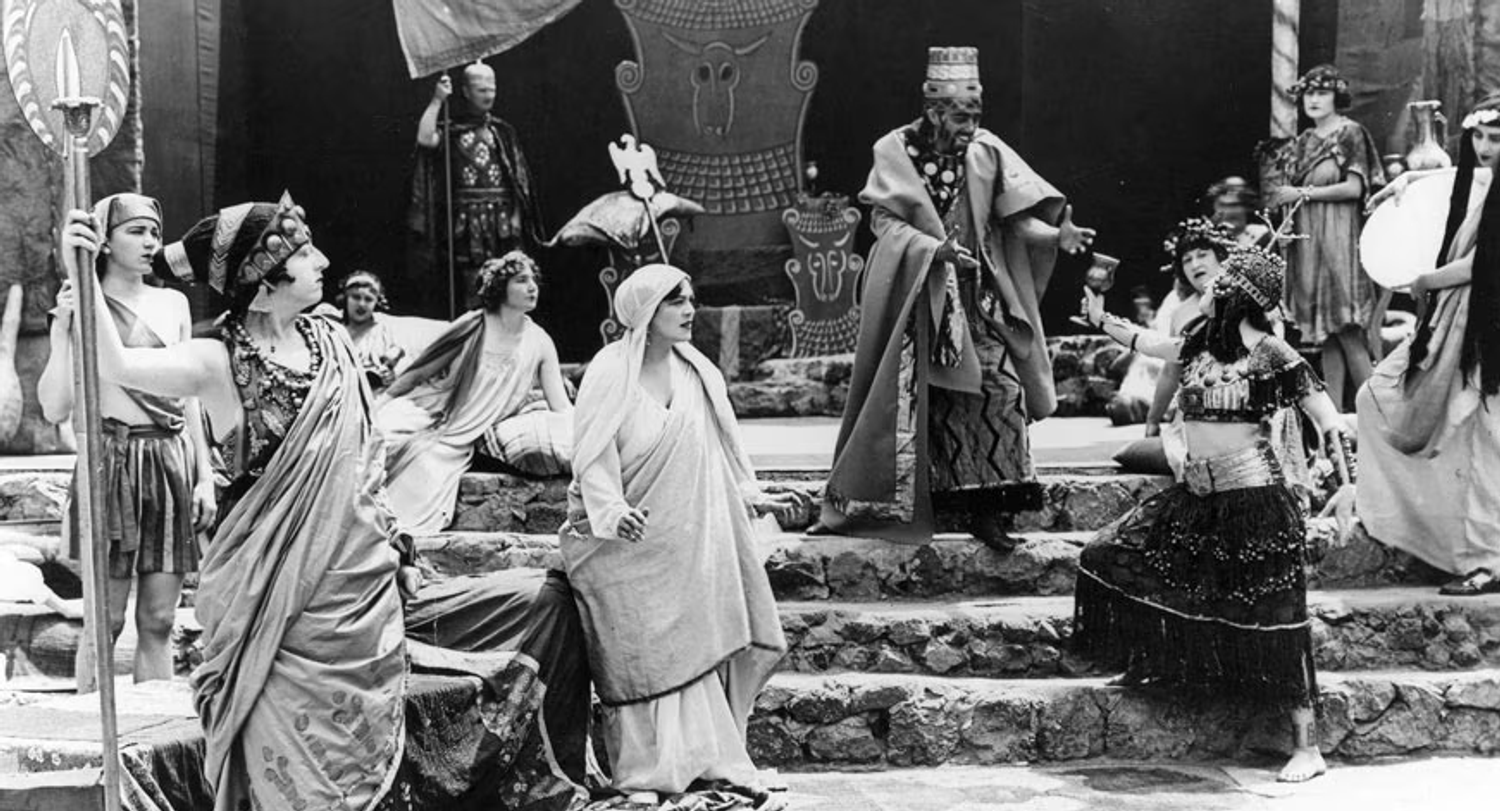
The author of The Pilgrimage Play, Christine Wetherill Stevenson, an heiress to the Pittsburgh Paint fortune, believed the rugged beauty of the Cahuenga Pass would provide a dramatic outdoor setting for her play. Together with Marie Rankin Clarke, she purchased this land, along with that on which the Hollywood Bowl now sits. An outdoor amphitheater with wooden seating, designed by architect Bernard Maybeck, was built on The Ford site, and the play was performed by noted actors every summer from 1920 to October 1929, when the original structure was destroyed by a brush fire.
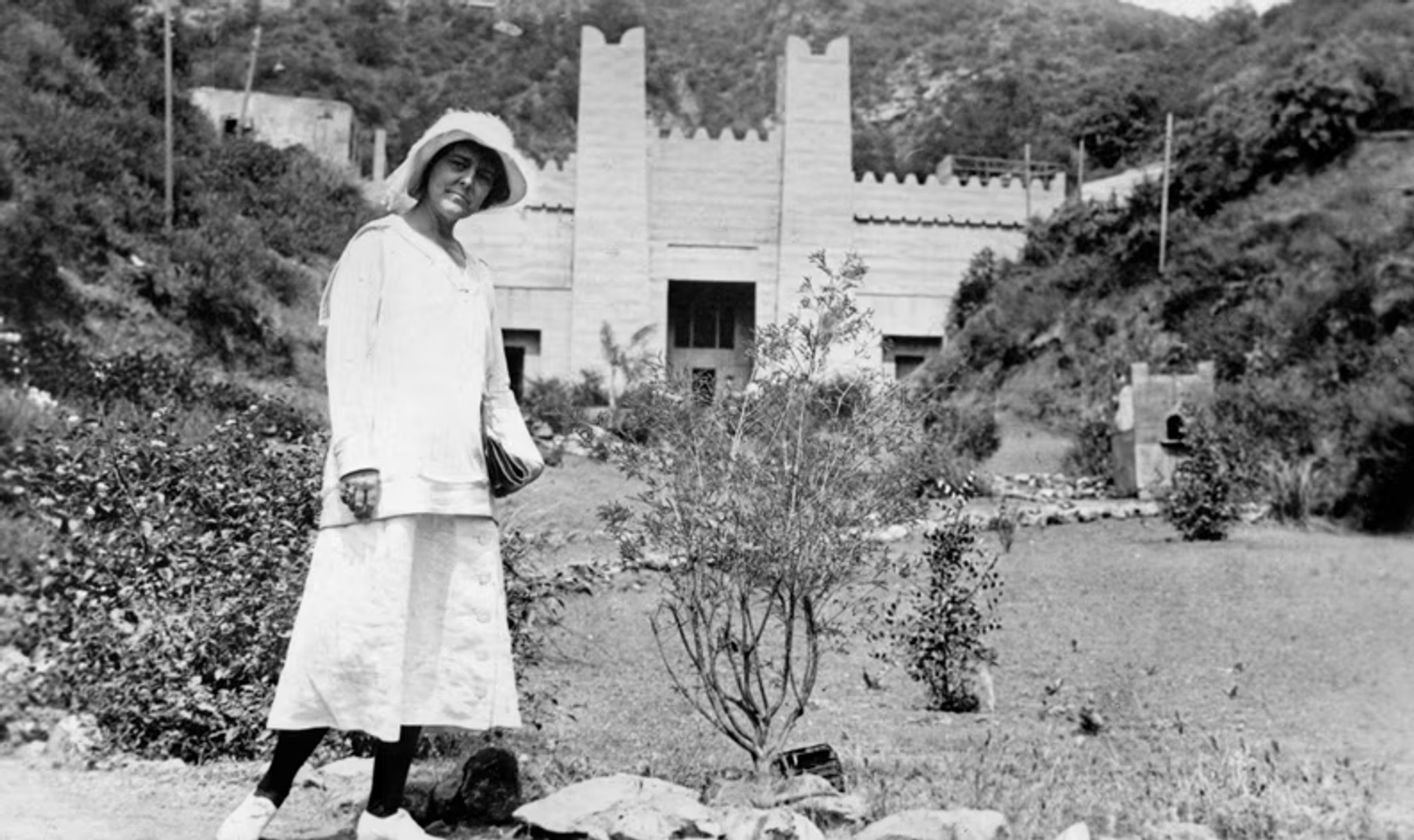
The present theater, constructed of poured concrete and designed by architect William Lee Woollett in the style of ancient Judaic architecture to resemble the gates of Jerusalem, was built on the same site and opened in 1931. The Pilgrimage Play was again performed here until 1964, with brief periodic interruptions, such as those caused by World War II and the construction of the Hollywood Freeway. In 1941, the land was deeded to the County of Los Angeles. A lawsuit in 1964 forced the closure of The Pilgrimage Play due to its religious nature.
2 Images
El anfiteatro, con capacidad para 1.200 personas, se utilizó de forma intermitente para representaciones teatrales, conciertos de jazz y espectáculos de danza durante las décadas de 1960 y 1970.
Highlights included a series of concerts by Jascha Heifetz and Gregor Piatigorsky in 1961, a 1964 production of King Lear directed by John Houseman, and a long-running series of free concerts featuring such legends as Chet Baker, Stan Kenton, and Louis Bellson. In 1976, the Pilgrimage Theatre was renamed the John Anson Ford Theatre in honor of the late Los Angeles County Supervisor's significant support of the arts. Ford (1883-1983) helped found the Los Angeles County Arts Commission, encouraged the Board of Supervisors to support the building of The Music Center, and led the County's acquisition of Descanso Gardens, among many other achievements. After a brief stint as one of LA's premier punk music venues in the late 1980s (with legendary performances by the Red Hot Chili Peppers, Jane's Addiction, and The Ramones), the amphitheater received renewed support from Los Angeles County, thanks to then County Supervisor Ed Edelman, who obtained funding for initial capital improvements to the facility and spurred the creation of The Ford's summer season (originally called "Summer Nights at The Ford") in 1993.
Originalmente un programa de la Comisión de las Artes del Condado de Los Ángeles (que ahora es el Departamento de Arte y Cultura), la temporada de verano The Ford Ford se diseñó para que los grupos de música, danza, cine y teatro del Condado de Los Ángeles pudieran producir actuaciones con éxito en un importante Lugar de eventos.
A diferencia de un modelo de presentación típico, los grupos y productores eran seleccionados mediante un proceso de solicitud competitivo (Programa de Asociación de Artistas) y recibían apoyo para la producción y el marketing, al tiempo que se quedaban con la mayor parte de los ingresos de taquilla. Desde aquella primera serie de verano de 1993, el programa ha florecido y, a lo largo de los años, ha apoyado a cientos de organizaciones y productores artísticos locales.
El The Ford se dedica a presentar una variada lista de eventos de música, teatro, cine, palabra hablada, danza, etc., que reflejan las comunidades que componen el condado de Los Ángeles. Además de su temporada de verano multidisciplinar, The Ford presenta eventos artísticos interactivos y participativos en su anfiteatro y en lugares públicos de todo el condado, así como un ciclo familiar gratuito para niños los sábados por la mañana.

En 2008, el prestigioso estudio de arquitectura Levin & Associates se encargó de redactar el proyecto de los teatros The Ford , un plan integral en varias fases que preveía la rehabilitación de esta instalación histórica y abordaba las mejoras necesarias que han repercutido sustancialmente en la experiencia del público y los artistas.
La ejecución del plan comenzó en 2013 con la instalación de nuevos asientos y la restauración de la icónica estructura neojudaica a su hormigón original sin pintar. El proyecto de renovación de 80 millones de dólares fue diseñado por Levin & Associates Architects con Mia Lehrer + Associates arquitectos paisajistas y comenzó en septiembre de 2014, tras la certificación del informe de impacto ambiental del proyecto.
El proyecto incluyó la estabilización de la ladera y la mejora del drenaje, la reconstrucción del escenario del anfiteatro, un nuevo sistema de iluminación y audio, la sustitución de la pared de sonido y la cabina de control, una nueva terraza de picnic y espectáculos que incluye una cubierta elevada sobre un muelle de carga, y una estructura de dos pisos que comprende una cocina de concesiones en el nivel inferior y un espacio de oficinas en el nivel superior. Las reformas finalizaron en 2017.
En 2019, la Junta de Supervisores del Condado de Los Ángeles y la Filarmónica de Los Ángeles crearon un acuerdo para que LA Phil operara The Ford en asociación con el Condado. Comenzando con conciertos digitales en 2020 durante el cierre de Covid-19, LA Phil ha presentado una serie de conciertos y eventos comunitarios para la temporada de verano de The FordFord. La programación presenta a favoritos locales, así como a artistas mundialmente conocidos que representan formas de arte tan amplias y diversas como los barrios que conforman Los Ángeles.

In its latest chapter, The Ford has deepened its role as one of Los Angeles’ most intimate and community-centered stages. The venue has continued to bring together music, dance, theater, film, comedy, spoken word, and multidisciplinary performance, with programming that reflects the many neighborhoods, histories, and creative voices of Los Angeles. Highlights have included the free 101 Festival, connecting The Ford and the Hollywood Bowl in a celebration of music and community; the continued growth of LA Soundscapes, a family-friendly series centered on artmaking, dancing, and listening with Los Angeles artists; and access initiatives that welcome hundreds of individuals and community organizations to The Ford for free or at reduced cost.
The Ford has also expanded its commitment to artists through FordLab, a producer-focused incubator and accelerator program that supports local and regional artists, presenters, and collectives with mentorship, marketing, production resources, and financial stipends. Alongside community residencies, emerging-photographer programs, and other creative partnerships, FordLab carries forward the venue’s long tradition of giving Los Angeles artists the space, tools, and audience to take risks, tell new stories, and bring their communities with them.
The LA Phil Story
The LA Phil presents hundreds of concerts and events each year across four distinct venues. Together, they reflect the full range of what we do: orchestral music, jazz, pop, film, new music, family programming, and learning and community events across Los Angeles.


